

Trump Revives Greenland Proposal at Davos, Draws Firm European Response
Article
Davos, Switzerland | January 21, 2026:
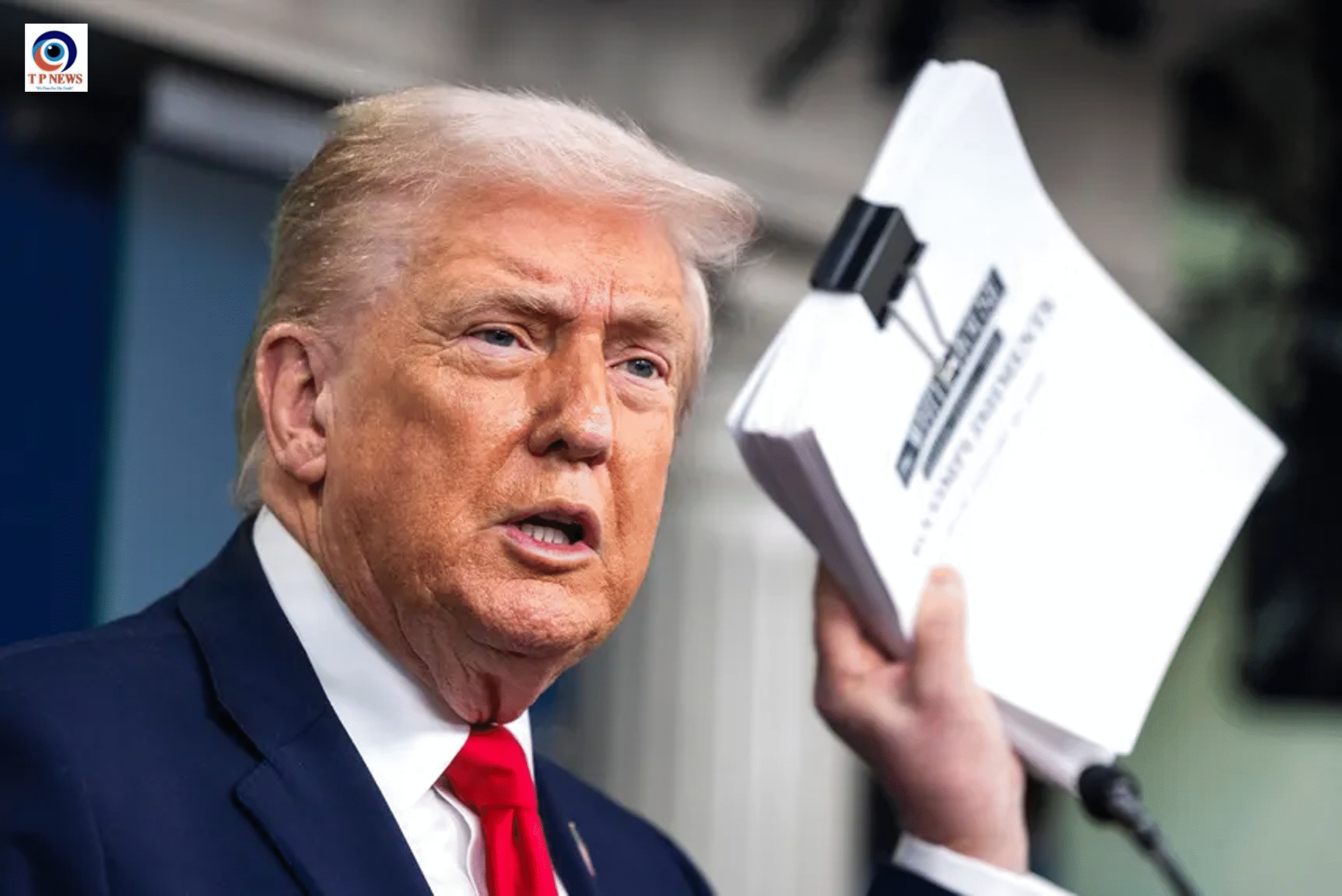
US President Donald Trump reignited controversy at the World Economic Forum (WEF) 2026 after reiterating his view that the United States should gain control of Greenland, prompting strong responses from European leaders and adding to existing transatlantic tensions.
Speaking during his address at Davos, Trump said the United States would not use force to acquire the Arctic territory but maintained that Greenland was strategically important for US national security and global influence in the Arctic. Greenland is an autonomous territory within the Kingdom of Denmark.
Trump’s remarks were closely watched by world leaders attending the summit, which is traditionally focused on global economic cooperation, trade, and climate policy.
European Leaders Reject Proposal
European officials responded firmly, reiterating that decisions regarding Greenland’s future rest with Denmark and the people of Greenland.
UK Prime Minister Sir Keir Starmer said Britain would not compromise on issues of sovereignty, emphasising respect for international law and self-determination. European Commission President Ursula von der Leyen called for greater European strategic autonomy, particularly in light of rising geopolitical pressure and potential trade measures.
The comments underscored growing diplomatic strains between the United States and its European allies.
Tariff Threats Add to Tensions
Alongside his Greenland remarks, Trump again raised the prospect of imposing 10 per cent tariffs on imports from European countries opposing US plans, with the rate potentially rising to 25 per cent if negotiations do not progress.
The tariff threat has raised concerns among European trade officials, though UK Finance Minister Rachel Reeves said existing economic arrangements between London and Washington were expected to remain stable despite political differences.
Calls for Dialogue
Amid the escalating rhetoric, US House Speaker Mike Johnson, addressing lawmakers in the UK Parliament, urged restraint and dialogue, calling for continued cooperation between the United States and its allies.
Broader Implications
Trump’s remarks shifted attention at Davos from economic collaboration to geopolitical divisions, raising questions about the future of:
NATO unity
Transatlantic trade relations
Arctic governance and sovereignty
Greenland’s strategic location, mineral resources, and role in emerging Arctic shipping routes have increasingly placed it at the centre of global geopolitical discussions.
World leaders are now watching closely to see whether the dispute moves toward negotiation or further diplomatic escalation.
Short Summary
US President Donald Trump renewed calls for US control of Greenland during his Davos address, prompting firm pushback from European leaders. The remarks, combined with renewed tariff threats, have heightened diplomatic tensions between the United States and its European allies.Trump Revives Greenland Proposal at Davos, Draws Firm European Response
Article
Davos, Switzerland | January 21, 2026:
US President Donald Trump reignited controversy at the World Economic Forum (WEF) 2026 after reiterating his view that the United States should gain control of Greenland, prompting strong responses from European leaders and adding to existing transatlantic tensions.
Speaking during his address at Davos, Trump said the United States would not use force to acquire the Arctic territory but maintained that Greenland was strategically important for US national security and global influence in the Arctic. Greenland is an autonomous territory within the Kingdom of Denmark.
Trump’s remarks were closely watched by world leaders attending the summit, which is traditionally focused on global economic cooperation, trade, and climate policy.
European Leaders Reject Proposal
European officials responded firmly, reiterating that decisions regarding Greenland’s future rest with Denmark and the people of Greenland.
UK Prime Minister Sir Keir Starmer said Britain would not compromise on issues of sovereignty, emphasising respect for international law and self-determination. European Commission President Ursula von der Leyen called for greater European strategic autonomy, particularly in light of rising geopolitical pressure and potential trade measures.
The comments underscored growing diplomatic strains between the United States and its European allies.
Tariff Threats Add to Tensions
Alongside his Greenland remarks, Trump again raised the prospect of imposing 10 per cent tariffs on imports from European countries opposing US plans, with the rate potentially rising to 25 per cent if negotiations do not progress.
The tariff threat has raised concerns among European trade officials, though UK Finance Minister Rachel Reeves said existing economic arrangements between London and Washington were expected to remain stable despite political differences.
Calls for Dialogue
Amid the escalating rhetoric, US House Speaker Mike Johnson, addressing lawmakers in the UK Parliament, urged restraint and dialogue, calling for continued cooperation between the United States and its allies.
Broader Implications
Trump’s remarks shifted attention at Davos from economic collaboration to geopolitical divisions, raising questions about the future of:
NATO unity
Transatlantic trade relations
Arctic governance and sovereignty
Greenland’s strategic location, mineral resources, and role in emerging Arctic shipping routes have increasingly placed it at the centre of global geopolitical discussions.
World leaders are now watching closely to see whether the dispute moves toward negotiation or further diplomatic escalation.
Short Summary
US President Donald Trump renewed calls for US control of Greenland during his Davos address, prompting firm pushback from European leaders. The remarks, combined with renewed tariff threats, have heightened diplomatic tensions between the United States and its European allies.Davos, Switzerland | January 21, 2026:
US President Donald Trump reignited controversy at the World Economic Forum (WEF) 2026 after reiterating his view that the United States should gain control of Greenland, prompting strong responses from European leaders and adding to existing transatlantic tensions.
Speaking during his address at Davos, Trump said the United States would not use force to acquire the Arctic territory but maintained that Greenland was strategically important for US national security and global influence in the Arctic. Greenland is an autonomous territory within the Kingdom of Denmark.
Trump’s remarks were closely watched by world leaders attending the summit, which is traditionally focused on global economic cooperation, trade, and climate policy.
European Leaders Reject Proposal
European officials responded firmly, reiterating that decisions regarding Greenland’s future rest with Denmark and the people of Greenland.
UK Prime Minister Sir Keir Starmer said Britain would not compromise on issues of sovereignty, emphasising respect for international law and self-determination. European Commission President Ursula von der Leyen called for greater European strategic autonomy, particularly in light of rising geopolitical pressure and potential trade measures.
The comments underscored growing diplomatic strains between the United States and its European allies.
Tariff Threats Add to Tensions
Alongside his Greenland remarks, Trump again raised the prospect of imposing 10 per cent tariffs on imports from European countries opposing US plans, with the rate potentially rising to 25 per cent if negotiations do not progress.
The tariff threat has raised concerns among European trade officials, though UK Finance Minister Rachel Reeves said existing economic arrangements between London and Washington were expected to remain stable despite political differences.
Calls for Dialogue
Amid the escalating rhetoric, US House Speaker Mike Johnson, addressing lawmakers in the UK Parliament, urged restraint and dialogue, calling for continued cooperation between the United States and its allies.
Broader Implications
Trump’s remarks shifted attention at Davos from economic collaboration to geopolitical divisions, raising questions about the future of:
NATO unity
Transatlantic trade relations
Arctic governance and sovereignty
Greenland’s strategic location, mineral resources, and role in emerging Arctic shipping routes have increasingly placed it at the centre of global geopolitical discussions.
World leaders are now watching closely to see whether the dispute moves toward negotiation or further diplomatic escalation.
Short Summary
US President Donald Trump renewed calls for US control of Greenland during his Davos address, prompting firm pushback from European leaders. The remarks, combined with renewed tariff threats, have heightened diplomatic tensions between the United States and its European allies.
