

Mutirão at COP30: The Power of Many Moving as One
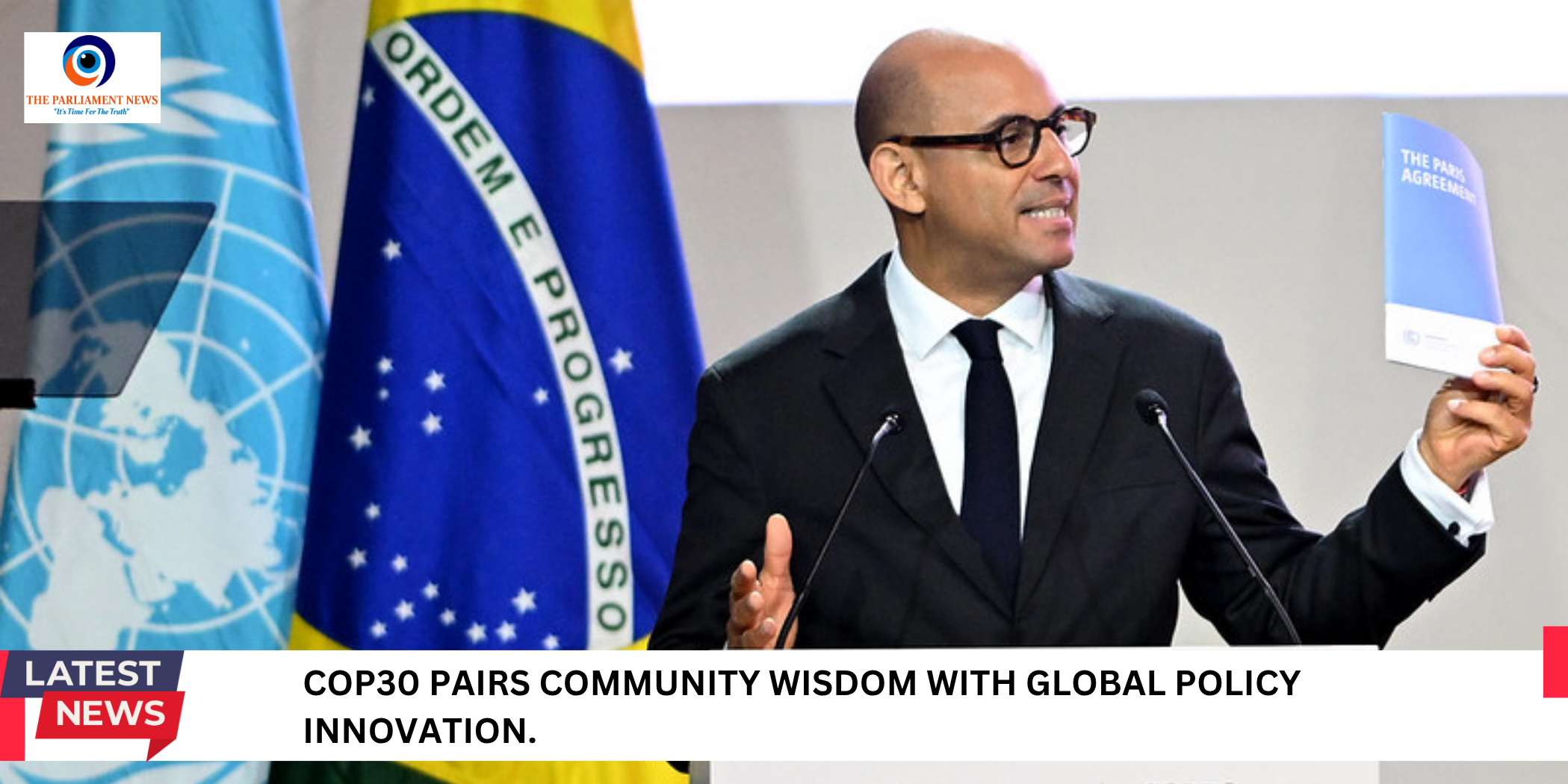
COP30 in Belém has delivered many announcements, but few captured the heart of the summit quite like the reflections shared by UN Climate Change Executive Secretary Simon Stiell and Youth Climate Champion Marcele Oliveira.
They invoked mutirão, a deeply rooted Brazilian idea that communities accomplish their biggest challenges when they work together — shoulder to shoulder, each person contributing what they can.
Stiell and Oliveira emphasized that global climate negotiations are no different. The COP process is not powered by speeches alone; it thrives when countries, citizens, youth, scientists, Indigenous peoples, and governments all act in unison.
Their message was unmistakable: climate progress is a collective project, not a solo performance.
Why Mutirão Matters for the Climate Movement
Mutirão is more than cooperation — it represents shared responsibility, the belief that every person has a role and that collective effort achieves the impossible.
Stiell explained that climate action stalls when nations retreat into narrow interests but accelerates when everyone pulls together. Oliveira, speaking from the youth perspective, reinforced that the next generation depends on decisions made today — and young people are ready to be part of the work, not just observers.
In Belém, this spirit set the tone: collaboration isn’t symbolic, it’s strategic.
It is what will determine whether the world meets its adaptation and mitigation goals.
The Belém Health Action Plan: A Breakthrough for Climate and Public Health
Alongside this call for unity, ministers and global health leaders unveiled one of COP30’s most significant outcomes: the Belém Health Action Plan, the first-ever international climate adaptation framework designed specifically for the health sector.
The plan marks a major shift in international climate policy by recognizing something long overdue:
climate change is a health crisis.
Heatwaves, disease outbreaks, food instability, vector expansion, extreme weather, and air pollution are placing unprecedented pressure on health systems — and the most vulnerable communities pay the highest price.
What the Belém Health Action Plan Brings to the Table
1. A Global Adaptation Roadmap for Health Systems
Governments receive a structured guide on how to build climate-resilient healthcare infrastructure, supply chains, and emergency response systems.
2. Early Warning and Preparedness Mechanisms
The plan emphasizes forecasting and rapid response — giving countries tools to anticipate climate-linked health threats rather than react to them.
3. Protection for Vulnerable Communities
Priority is given to low-income regions, Indigenous peoples, rural populations, and those already facing chronic health inequities.
4. Capacity Building for Frontline Institutions
Training, technical support, and international partnerships aim to strengthen local hospitals, clinics, and health agencies.
5. Integration of Climate Data into Public Health Policy
The plan encourages countries to embed climate risk assessments directly into national health strategies.
This isn’t a general pledge — it’s a concrete framework built for implementation.
Mutirão + Health Adaptation: A New Direction for COP30
The two announcements — the call for mutirão and the introduction of the Belém Health Action Plan — complement each other.
The health plan provides a technical foundation; mutirão provides the social and political momentum.
Together, they send a message from Belém to the world:
Climate challenges cannot be solved in isolation. They require collective action across sectors, generations, and borders — the essence of mutirão.
