

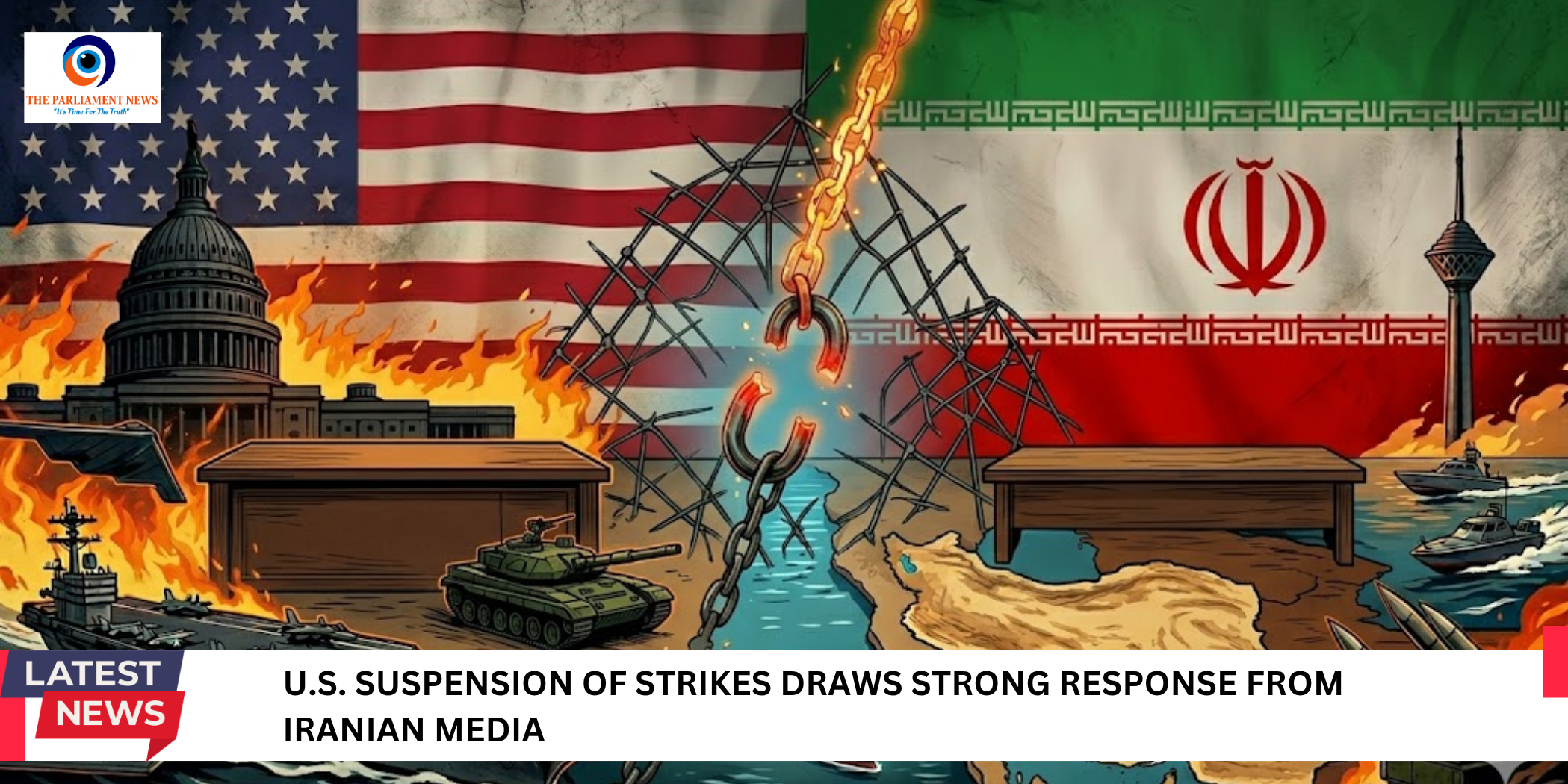
Iran’s state-aligned media outlets have responded to the United States’ decision to temporarily suspend planned strikes on Iranian power infrastructure, offering interpretations that reflect the country’s current strategic positioning amid ongoing regional tensions.
U.S. President Donald Trump recently announced a limited pause of several days in potential military action targeting Iran’s power grid and related infrastructure. The decision was presented as a temporary measure during a period of heightened conflict in West Asia.
In response, multiple Iranian media organisations characterised the move as an indication of changing U.S. strategy. Reports and commentary from state-aligned outlets suggested that the pause reflected the impact of Iran’s deterrence posture rather than a shift toward immediate negotiations.
Several outlets indicated that no active talks were currently taking place between Iran and the United States, either directly or indirectly. Commentary also suggested that ongoing tensions in the region, including risks to energy infrastructure and shipping routes, remain central to the situation.
Media coverage in Iran referenced recent developments affecting energy facilities and regional security dynamics. Some reports linked the U.S. decision to broader concerns about stability in the Strait of Hormuz, a key global energy transit route.
Statements attributed to Iranian officials emphasised that the country remains prepared to respond to potential military actions while maintaining openness to diplomatic engagement under appropriate conditions. The messaging indicated a preference for deterrence as a strategic approach during the current phase of the conflict.
The reaction across multiple media platforms reflected a consistent narrative, focusing on Iran’s readiness to defend its infrastructure and interests while continuing to monitor developments in the region.
The U.S. pause in planned strikes comes at a time of ongoing instability in West Asia, where military actions and countermeasures have affected energy markets, shipping routes, and regional security conditions.
Analysts note that the limited duration of the pause provides a narrow window for any potential diplomatic engagement. However, with multiple actors involved and active tensions continuing, the scope for immediate negotiations appears limited.
As the situation evolves, both military developments and diplomatic signals are expected to influence the next phase of engagement between the United States, Iran, and other regional stakeholders.
