


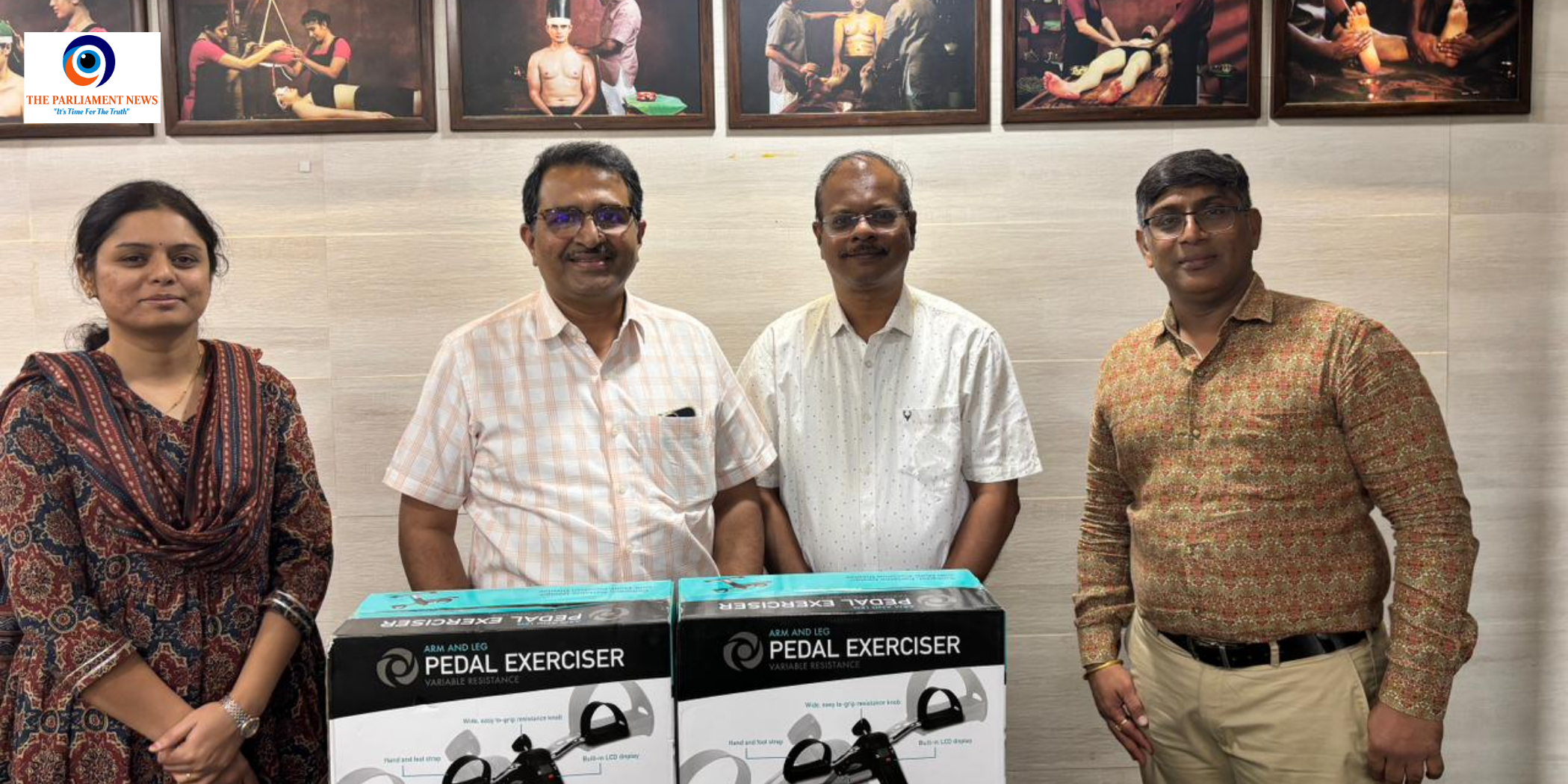
Mumbai: This Christmas brought more than festive cheer to Seth Ayurvedic Hospital in Sion, Mumbai. It marked a meaningful step forward in community healthcare as the World Environment Council (WEC) donated advanced physiotherapy equipment and essential accessories to the hospital. The initiative focuses on supporting patients from economically weaker sections, helping them recover faster and regain mobility with dignity.
The contribution is expected to significantly improve rehabilitation services, enabling timely, effective physiotherapy care within the hospital’s integrative treatment framework.
Strengthening Recovery Through Modern Support
Physiotherapy plays a crucial role in restoring movement and independence, especially for patients undergoing long-term treatment. With the newly donated equipment, Seth Ayurvedic Hospital will be better equipped to meet growing rehabilitation needs while maintaining accessibility for marginalized communities.
The support bridges a vital gap, ensuring that quality recovery care is not limited by financial constraints.
Voices Behind the Initiative
Speaking on behalf of the World Environment Council, Founder Mr. Ganesh Channa and Executive Director Mr. Godfrey Lobo shared the broader vision behind the initiative. They emphasized that true sustainability begins with healthy communities and that integrating modern rehabilitation tools with India’s traditional Ayurvedic wisdom creates a more complete healing approach.
From the hospital’s side, trustee member Dr. Vishawjeet Patade expressed appreciation for the timely support, noting that improved recovery outcomes directly translate into a better quality of life for patients. Dr. Pankaj P. Tathed, Head of the Panchakarma and Physiotherapy Unit, highlighted how the equipment would strengthen day-to-day clinical care and long-term rehabilitation outcomes.
Ayurveda and Innovation: The Road Ahead
The donation marks the beginning of deeper collaboration between WEC and healthcare institutions. Building on this foundation, the organization plans to roll out a series of forward-looking programs aimed at prevention, education, and innovation.
One key focus will be community-based Ayurvedic workshops and the development of medicinal gardens in schools, colleges, churches, and local forums. These initiatives aim to promote preventive healthcare using Ayurveda’s centuries-old knowledge system.
In parallel, WEC plans to introduce specialized training programs for resident doctors. These modules will explore the use of artificial intelligence in Ayurvedic diagnosis and treatment planning, improve communication skills for better patient engagement, and offer life excellence training centered on ethics, leadership, and holistic professional growth.
A Broader Vision for Sustainable Health
Through initiatives like this, the World Environment Council continues to position health as a cornerstone of sustainability. By supporting physiotherapy services, advancing Ayurvedic education, and embracing responsible innovation, WEC is shaping a healthcare model that focuses not only on curing illness but also on long-term well-being.
This approach reflects a growing recognition that true progress lies in systems that heal, educate, and empower communities simultaneously.
