


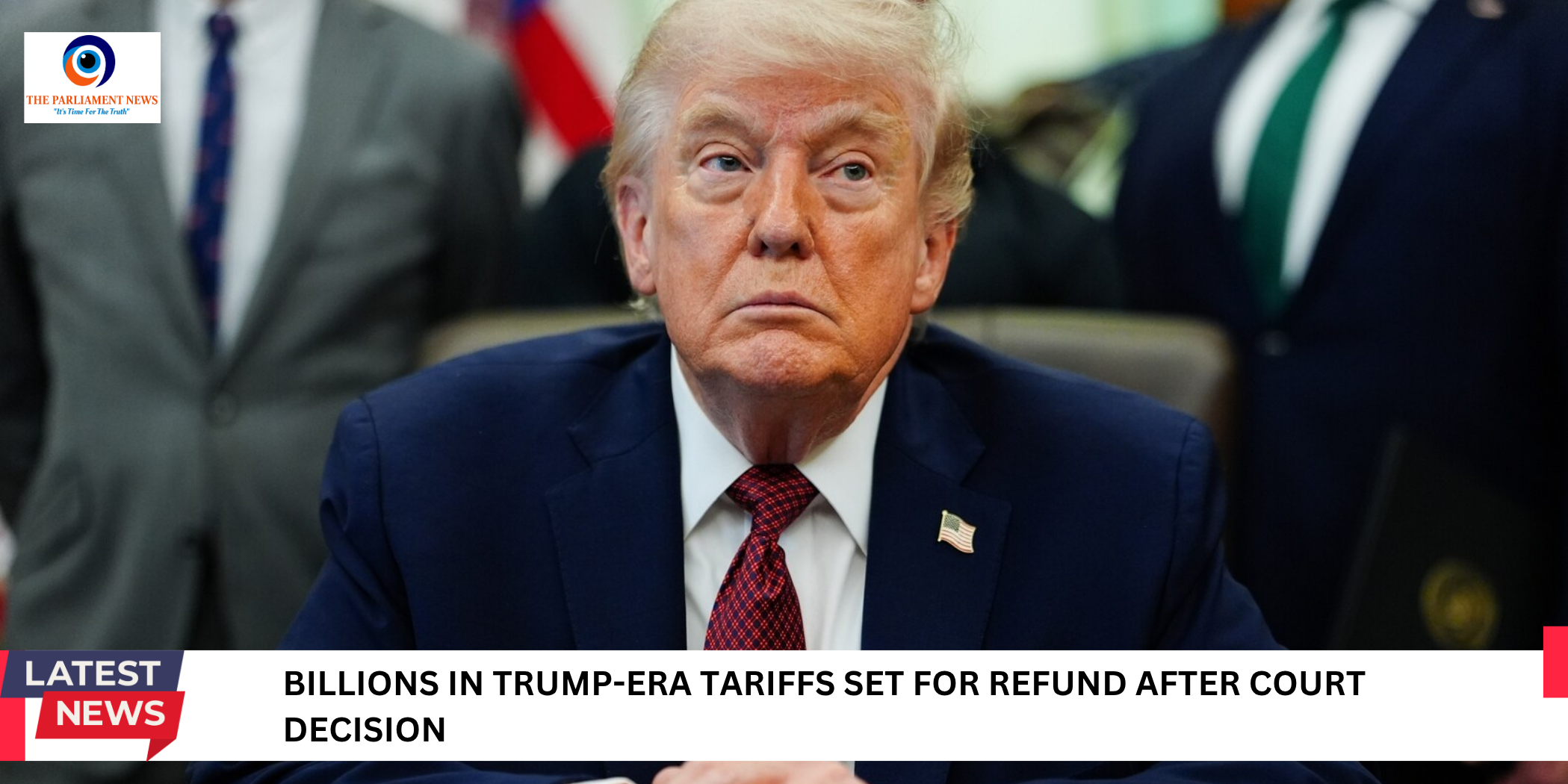
The United States government has announced that approximately $20.6 billion in tariff refunds is being distributed to importers through a newly developed processing platform created by U.S. Customs and Border Protection.
The system, known as CAPE (Consolidated Administration and Processing of Entries), was introduced to manage large-scale refund claims following a ruling by the Supreme Court of the United States that invalidated several tariffs imposed during the administration of former President Donald Trump under the International Emergency Economic Powers Act (IEEPA).
The tariffs had affected a wide range of imported goods over several years. The court ruling opened the way for importers to reclaim payments that authorities now consider improperly collected under the emergency powers framework.
Initially, officials stated that roughly $35.5 billion worth of claims were being processed. However, Customs officials later acknowledged that the figure had been overstated by approximately $10 billion because of a data-query error, revising the total closer to $25 billion.
Authorities estimate that the overall refunds could eventually reach as much as $166 billion. The claims are linked to more than 53 million import entries involving approximately 330,000 importers across the United States.
According to government figures, nearly $85 billion in potential and certified refunds had already entered the CAPE system by May 22. During the first phase of implementation, around 16 million entries were accepted into processing, while approximately 8.5 million entries had already been reprocessed and certified for repayment.
Despite progress in the system rollout, officials said more than 4,000 refund payments have not yet reached the United States Department of the Treasury for final distribution because some importers have not activated the required electronic payment systems needed to receive funds.
The refund process has also created operational challenges for many businesses, particularly smaller importers. Reports indicate that some companies are facing technical difficulties and administrative complications while navigating the government portal and filing the required documentation.
The situation has also sparked broader public debate regarding the handling of tariff refunds. Critics argue that some companies had previously passed the cost of tariffs on to consumers through higher prices and therefore should not retain the refunded amounts entirely. Others contend that businesses legally paid the tariffs and are entitled to repayment following the court ruling.
Economists and trade analysts say the refund process could have financial implications for both businesses and government revenue. Large repayments may improve liquidity for importers and manufacturers, while also placing additional pressure on federal finances depending on the final scale of reimbursements.
The CAPE platform represents one of the largest tariff refund operations undertaken by US customs authorities, reflecting the long-term legal and economic impact of trade measures introduced during the Trump administration.
