


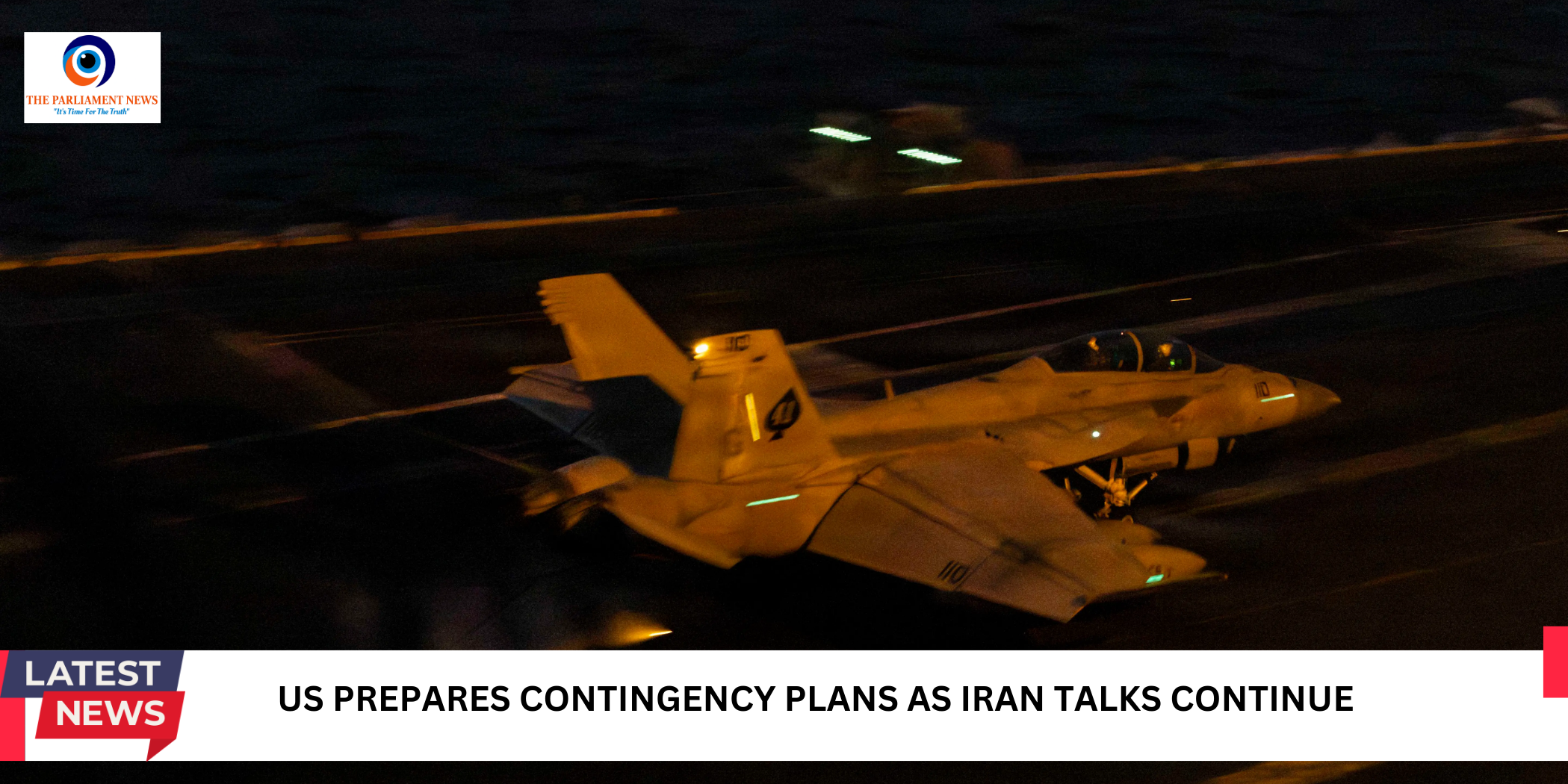
The United States is increasing its military presence in the Middle East amid reports that officials are preparing contingency plans for potential extended operations against Iran. According to a Reuters report citing two U.S. officials, military planners have outlined options for operations that could last several weeks if authorised by President Donald Trump. No final decision on military action has been announced. This increased focus underscores the strategic importance of the US in the region.
The Pentagon has ordered the redeployment of the USS Gerald R. Ford, a nuclear-powered aircraft carrier, from the Caribbean to the Middle East. It is expected to join the USS Abraham Lincoln carrier strike group already operating in the region. The move places two U.S. carrier strike groups within operational range of Iran, significantly increasing American air and naval capabilities, further establishing the role of the US in the strategic landscape.
This maneuver highlights the commitment of the US to maintain stability and deter threats in the area, reinforcing its pivotal role in regional security.
Growing Military Posture
Carrier strike groups typically include guided-missile destroyers, cruisers, fighter aircraft and logistical support vessels. The addition of a second carrier enhances surveillance capacity, air strike capability and layered defence systems.
The redeployment of the USS Gerald R. Ford follows its earlier assignment in the Caribbean, where it was part of operations connected to U.S. security objectives in the Western Hemisphere. Its shift to the Middle East signals a change in strategic focus amid heightened tensions with Tehran.
Officials cited in the Reuters report indicated that preparations involve planning for sustained operations rather than limited, single-target strikes. However, they did not confirm that any operation had been authorised.
Diplomatic Engagement Continues
Despite the military buildup, diplomatic channels remain active. U.S. and Iranian representatives recently held discussions in Oman aimed at exploring the possibility of renewed negotiations concerning Iran’s nuclear programme.
The talks are viewed as exploratory and intended to assess whether progress toward a broader agreement is possible. Differences remain over Iran’s ballistic missile programme and regional activities, which have long been sources of tension between Washington and Tehran.
When asked about reports of potential extended military operations, White House spokesperson Anna Kelly stated that the President considers a range of perspectives before making decisions related to national security.
Strategic Context
Tensions between the United States and Iran have fluctuated over recent years, often centering on Iran’s nuclear activities and missile development. Washington maintains that preventing Tehran from acquiring a nuclear weapon remains a core strategic objective.
The presence of two carrier strike groups is relatively uncommon and typically reflects heightened readiness. Dual-carrier deployments provide expanded operational flexibility, faster response times and increased strike capacity if required.
Defence analysts note that such deployments can serve multiple purposes: deterrence, reassurance of regional allies and preparation for contingency operations. At the same time, large-scale force movements may raise concerns about escalation.
Balancing Pressure and Negotiation
President Trump has maintained a firm public stance toward Iran, stating that all options remain under consideration. His administration has combined diplomatic engagement with visible military readiness.
Officials have emphasised that planning for potential operations does not equate to a decision to initiate conflict. Military contingency planning is a routine part of defence strategy, particularly in regions with longstanding geopolitical tensions.
Any sustained military campaign would likely have broader regional implications, including potential retaliatory actions and economic consequences affecting global energy markets.
Current Status
At present:
- No military strike has been formally announced.
- Diplomatic discussions are ongoing.
- U.S. forces in the region have increased in strength and readiness.
The situation remains fluid, with developments likely to depend on both diplomatic progress and strategic assessments in Washington.
